Planned from 3D imaging
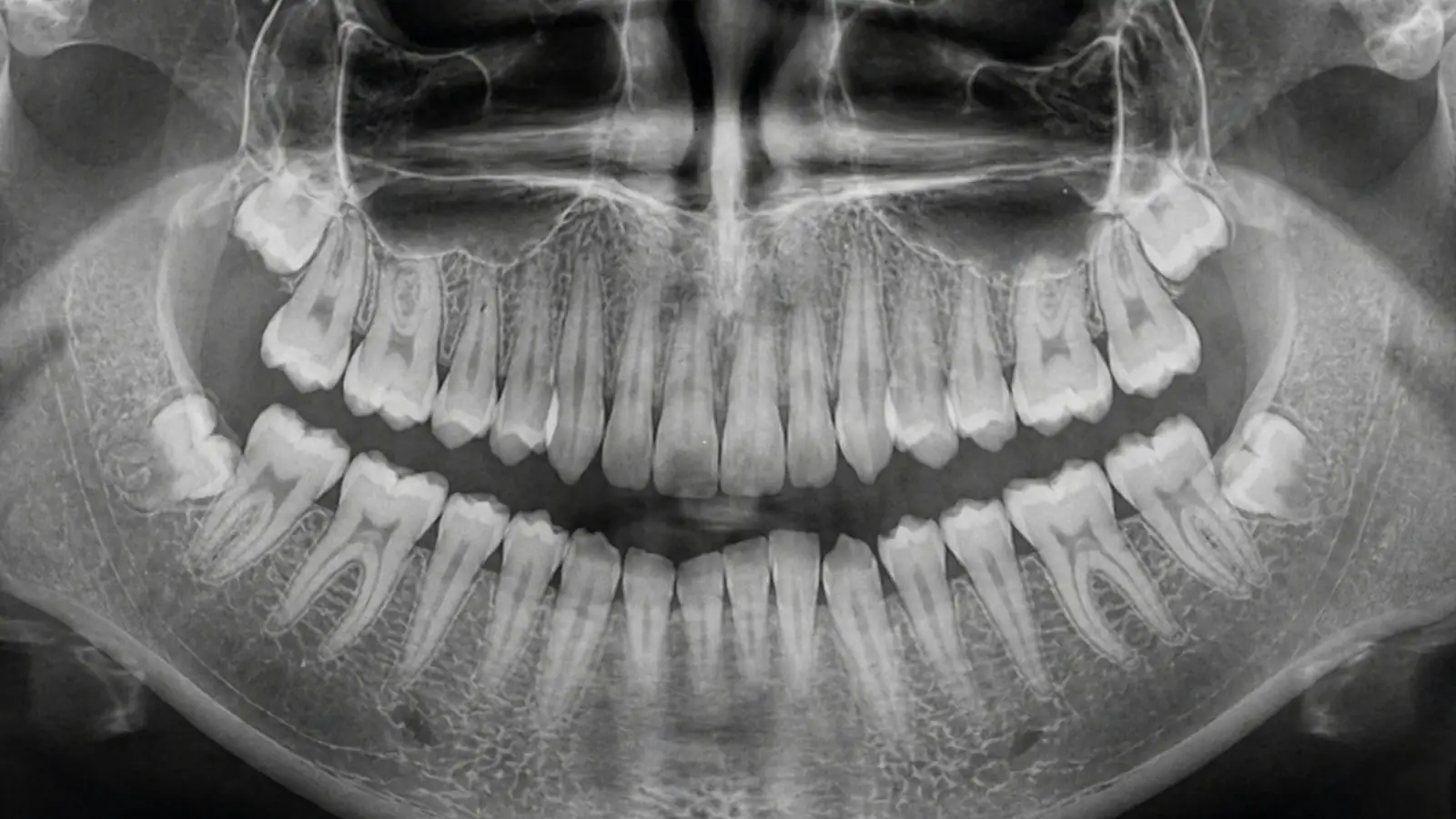
Root shape, nerve proximity and sinus position mapped before surgery rather than discovered during it.
Wisdom tooth removal and complex surgical extractions planned with 3D imaging and performed in-house, with sedation available and clear aftercare.
Overview
Not every wisdom tooth needs to come out, but the ones that do are much better removed on a planned Tuesday than during a flare-up at the weekend. Surgical extractions are among the procedures Dr. Sohi does most, and they are planned from imaging that shows exactly where the roots sit relative to the nerve and sinus, so there are fewer surprises. Sedation is available for all of it.
Book a wisdom teeth & surgical extractions consultation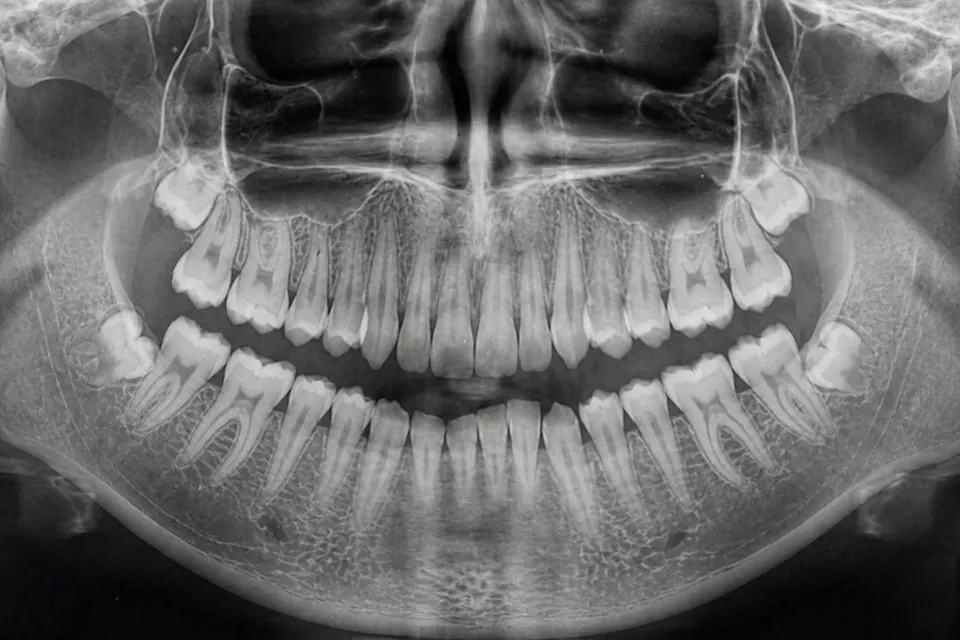
Why it matters
Root shape, nerve proximity and sinus position mapped before surgery rather than discovered during it.
Most cases are handled in the practice by the dentist who already knows your mouth and history.
Oral or nitrous sedation available, so the appointment is something you can face.
Written instructions, direct contact if something is not right, and a follow-up to check healing.
How it works
Panoramic and, where needed, 3D imaging to see root anatomy and nerve position.
What will be removed, how, what recovery looks like, and the real risks, all explained before you agree.
Local anaesthetic, with sedation if chosen. Most single extractions take well under an hour.
Clear aftercare, pain control, and a review appointment. Call us if anything worries you in between.
Who it's for
Patients with impacted or partially erupted wisdom teeth, recurrent gum infections around a back tooth, a cracked or heavily decayed unrestorable tooth, or teeth needing removal before dentures or orthodontics.
Patient stories
“Both lower wisdom teeth out in one appointment with nitrous. Two quiet days and then completely fine.”
“A molar had cracked under an old filling. It was explained properly, removed calmly, and the aftercare instructions were actually useful.”
Questions
No. Wisdom teeth that are fully erupted, cleanable and not causing problems can often simply be monitored. Removal is recommended when they are impacted, repeatedly infected, decaying, damaging the tooth in front, or cannot be kept clean.
Expect swelling and soreness peaking around day two or three, and most people back to normal within a week. Surgical removal of impacted lower wisdom teeth is the slowest; a simple upper extraction is often much quicker. Plan a quiet 48 hours.
You should feel pressure, not pain. The anaesthetic is the part patients most often say surprised them here. If you would rather not be present for it mentally, nitrous or oral sedation is available.
The main ones are infection, delayed healing or a dry socket and, for lower wisdom teeth close to the nerve, temporary or, rarely, lasting altered sensation in the lip or tongue. The 3D scan exists precisely to quantify that risk for your anatomy before you decide.
Also available
If a back tooth is sore, swollen or overdue for a decision, get it imaged before it becomes an emergency.