Barely visible
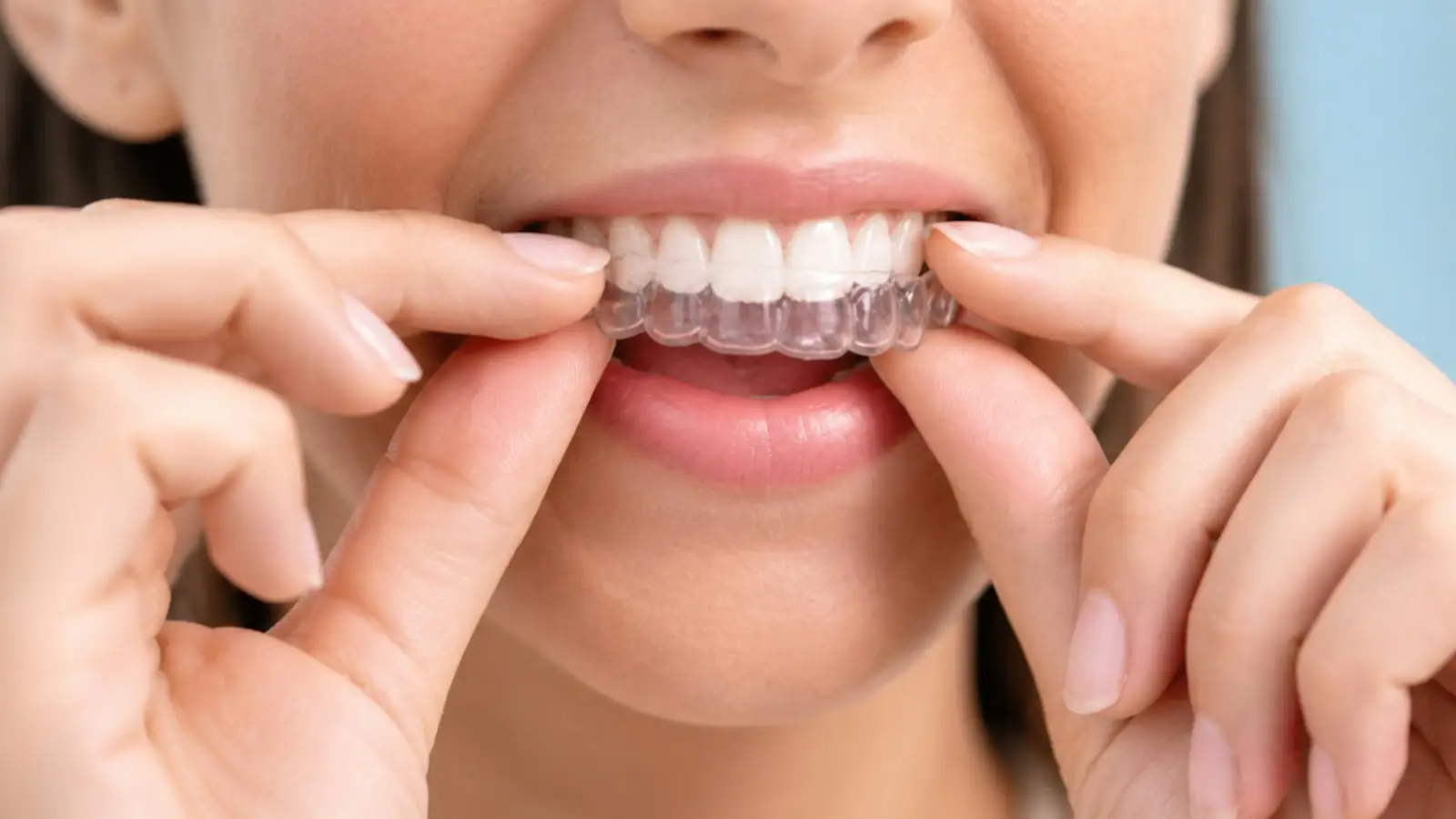
Clear trays over your own teeth, a real consideration if you present, teach or sell for a living.
Clear removable aligners that straighten teeth without brackets or wires, planned digitally, reviewed at every stage, and suited to adults and teens.
Overview
Invisalign moves teeth with a series of clear, removable trays instead of brackets and wires. Most people cannot tell you are wearing them, you take them out to eat and clean your teeth normally, and the whole sequence is planned digitally so you can see the projected result before you start. It suits crowding, spacing, mild bite issues and relapse after childhood braces.
Book a invisalign consultation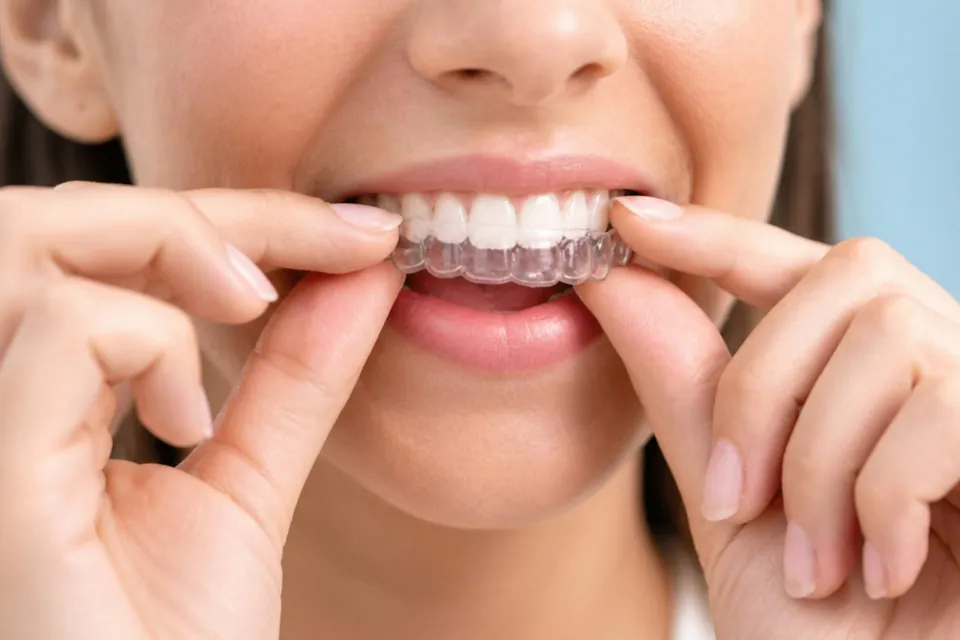
Why it matters
Clear trays over your own teeth, a real consideration if you present, teach or sell for a living.
No food restrictions and no threading floss around wires. Brushing stays exactly as it was.
A digital simulation shows the projected tooth-by-tooth movement before you commit to treatment.
Aligner changes happen at home; appointments are for checking progress, not tightening wires.
How it works
An examination and scan to confirm aligners can achieve what you want. Sometimes they cannot, and we say so.
Your movement sequence mapped out, with a preview of the projected finish and an honest timeline.
Each tray is worn 20–22 hours a day for one to two weeks, then swapped for the next.
Short check-ins every six to ten weeks to confirm teeth are tracking to plan.
Teeth drift for life. A retainer is what keeps the result, and it is part of the plan, not an upsell.
Who it's for
Adults with crowding, gaps, or teeth that have shifted back after braces years ago; teens with the discipline to wear trays; and anyone straightening ahead of cosmetic work.
Patient stories
“I had braces as a teenager and everything drifted back. Nine months of aligners and nobody at work noticed I was wearing them.”
“Seeing the simulation of the finished result before starting is what convinced me. It ended up looking like the preview.”
Questions
Simple cases finish in six to nine months; more complex ones run twelve to eighteen. Dr. Sohi gives you a projected range at the planning stage based on your actual scan, not an average.
There is pressure and tenderness for a day or two after each new tray. That pressure is the treatment working. It is generally described as milder than the soreness after braces are tightened.
Very rarely in normal conversation. Some cases need small tooth-coloured attachments bonded to a few teeth to grip the trays; these are subtle and removed at the end.
Treatment stalls and the next tray stops fitting. Twenty to twenty-two hours a day is the honest requirement. If that will not fit your life, we will tell you before you pay for it.
Also available
Come in for a scan and see your projected result before you decide anything.