
When Tooth Pain Needs Urgent Dental Care
Learn when tooth pain needs urgent dental care, warning signs to watch for, and safe steps to take. Contact Monaco Dentistry today.
September 21, 2026
A toothache can be surprisingly hard to ignore. It may start as a quick twinge when you drink cold water, then turn into a dull ache that keeps you awake. Or it may arrive suddenly after biting into something crunchy. Either way, it is easy to wonder: Can this wait, or do I need help now?
The short answer is that tooth pain deserves attention, but not every sore tooth is an emergency. The details matter. Pain severity, swelling, fever, recent injuries, your general health, and whether symptoms are getting worse all affect how quickly you should seek care.
This guide can help you recognize warning signs, manage discomfort safely while waiting for an appointment, and know when dental pain may actually require emergency medical care.
Why tooth pain should not be ignored
Teeth do not usually hurt without a reason. Sometimes the cause is minor, such as temporary sensitivity caused by worn enamel or exposed root surfaces. Other times, pain points to decay, a cracked tooth, a failing filling, gum disease, or an infection around the tooth root.
One frustrating part of dental pain is that the intensity does not always match the seriousness of the problem. Early tooth decay may cause no discomfort at all. Meanwhile, a small exposed area near the gumline can feel sharply painful when cold air hits it.
Still, pain that persists, worsens, wakes you from sleep, or interferes with eating is your cue to call a dentist. Waiting until the pain becomes unbearable often means the problem has become more complicated and may need more extensive treatment.
Tooth sensitivity versus a toothache
Sensitivity and toothache are often used interchangeably, but they can feel different and may have different causes.
Signs of tooth sensitivity
Tooth sensitivity tends to be brief and triggered by something specific. You may feel a quick jolt of pain when you eat ice cream, sip hot coffee, drink something sweet, or breathe in cold air. Brushing one particular area may also cause discomfort.
Mild sensitivity can happen when gums recede and expose part of the root. It can also occur when enamel wears down from aggressive brushing, teeth grinding, frequent acidic drinks, or natural wear over time.
A toothpaste made for sensitive teeth may help when symptoms are mild. Use a soft-bristled toothbrush and gentle pressure. Scrubbing harder does not clean better, and it can make gum recession and sensitivity worse.
Sensitivity deserves a dental appointment when it is moderate to severe, lasts more than a week, or begins suddenly. It may be caused by a cavity, a cracked tooth, a damaged filling, or an issue affecting the nerve inside the tooth.
Signs of a toothache
A toothache is usually more persistent. It may feel like throbbing, pressure, sharp pain when chewing, or a deep ache that comes and goes. Common causes include tooth decay, infection, an abscess, trauma, grinding or clenching, and impacted teeth.
Pain when you bite down is especially worth checking. It may mean there is a crack, a loose filling, inflammation around the root, or an infection. If one tooth feels “high” when you close your mouth, do not assume it will settle on its own.
Gum symptoms matter too
Healthy gums are generally firm, pale pink, and do not bleed easily. A little bleeding after flossing is common if you have not flossed regularly, but ongoing bleeding should not be brushed off as normal.
Gingivitis causes gums to become red, puffy, and prone to bleeding. It often does not hurt much, which is why people put off treatment. That is unfortunate, because gum disease can progress quietly.
When untreated, gum inflammation may develop into periodontitis. This is an infection that affects the gum tissue and bone that hold teeth in place. Over time, teeth can loosen or require removal.
Gum swelling may also come from an infection near a tooth root, an irritating denture or appliance, medication side effects, pregnancy-related changes, or a medical condition that affects bleeding or immunity.
Smoking and tobacco use add another layer of concern. Tobacco can reduce visible bleeding and swelling even when gum disease is present. In other words, gums may look less irritated than they actually are. Chewing tobacco can also cause localized gum recession and raises the risk of oral cancer.
When to call a dentist today
Same-day dental care is a good idea when pain or swelling is unlikely to improve without treatment. Call your regular dental office first, even if you are unsure whether the situation is urgent. Many offices have guidance for after-hours concerns or can direct you to appropriate emergency dental care.
Seek dental care the same day if you have:
Moderate or severe tooth pain that disrupts sleep, work, school, or normal activities
Pain that has lasted more than two days
Facial swelling, jaw swelling, or swelling near a painful tooth
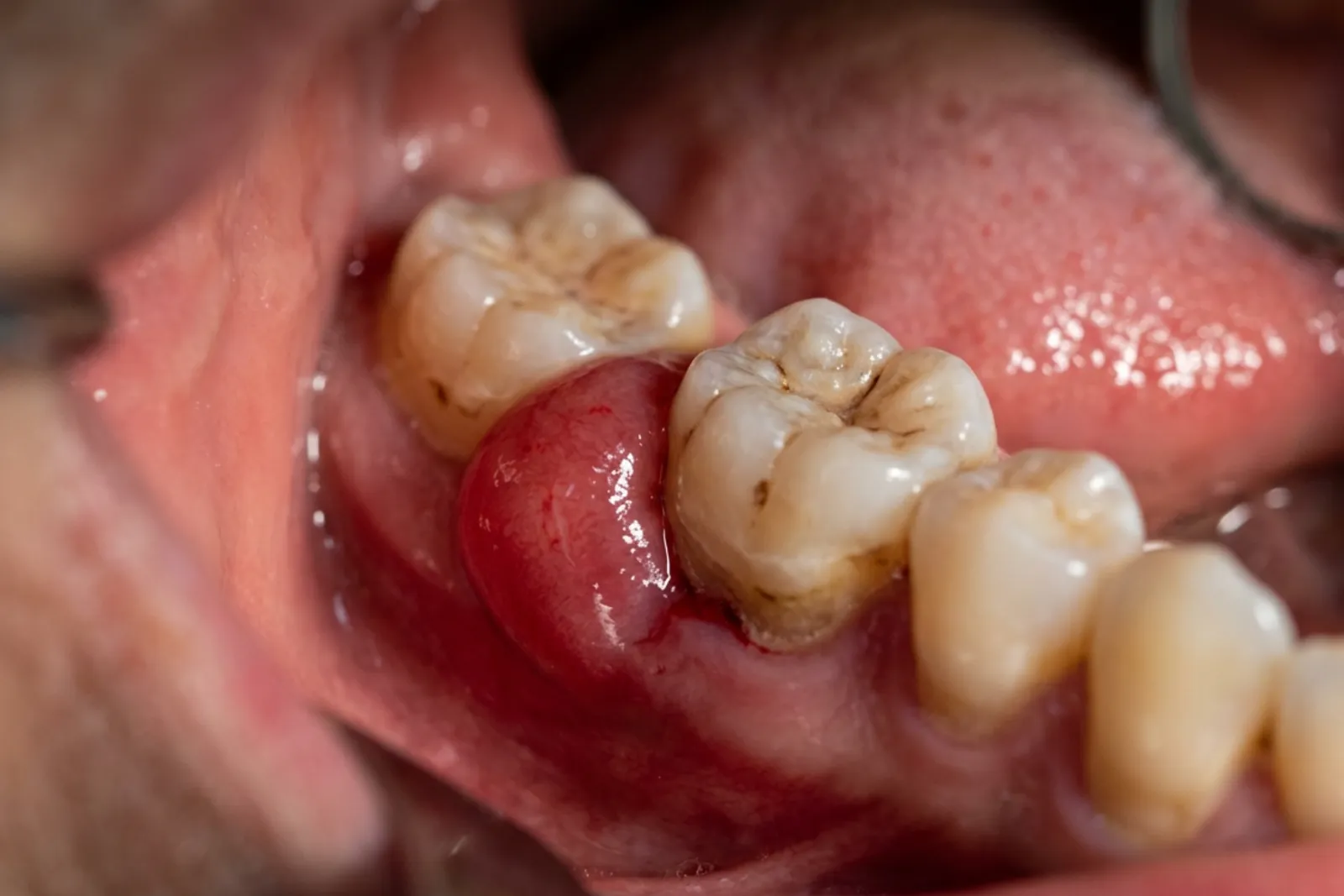
A red, swollen, painful bump on the gum beside a sore tooth
Pain that is getting worse instead of better
Pus, a bad taste in the mouth, or drainage near a tooth
A broken tooth with sharp edges, substantial pain, or visible inner tooth material
A loose permanent tooth after an injury
A lost filling, crown, or dental appliance that causes significant pain
Gum bleeding that is heavy, difficult to stop, or linked to blood-thinning medication
A dental problem in a person with diabetes, immune suppression, cancer treatment, or a serious medical condition
A painful swelling near the gumline may be an abscess. Dental abscesses do not disappear because the pain fades. In fact, a sudden reduction in pain can sometimes mean pressure has released, while the infection remains.
When tooth pain becomes an emergency
A dental infection can occasionally spread beyond the tooth and jaw. This is uncommon, but it needs prompt medical attention when it happens.
Seek urgent medical or dental care immediately if you have facial swelling that is spreading, fever with swelling, difficulty swallowing, trouble breathing, confusion, severe weakness, or swelling under the jaw or tongue. These symptoms may indicate a serious infection.
Call emergency services if you cannot breathe normally, cannot swallow saliva, or develop rapidly worsening swelling around the face, mouth, or neck.
There is another reason not to self-diagnose jaw pain. Jaw discomfort can sometimes be related to heart problems rather than teeth.
Call emergency services right away if jaw pain occurs with chest pain or pressure, shortness of breath, sweating, nausea, vomiting, dizziness, sudden weakness, or pain in the shoulder, arm, neck, upper abdomen, or back. Do not drive yourself. Emergency responders can begin care during transport.
How severe is the pain?
Pain scales are imperfect, but they can help you explain what is happening.
For adults and older children, mild pain usually falls between 1 and 4 out of 10. You notice it, but you can sleep and continue most normal activities. Moderate pain, often a 5 to 7, interferes with concentration, meals, sleep, or daily routines. Severe pain, usually 8 to 10, is hard to tolerate for more than a few hours and may make it difficult to think about anything else.
For babies and toddlers, pain looks different. Constant crying, inability to settle, grimacing, clenched fists, or refusal to sleep may signal severe discomfort. A young child who becomes unusually clingy, fussy, or unwilling to eat may need a dental assessment, especially if there is facial swelling, fever, or a dental injury.
Children can deteriorate more quickly when they have infections or become dehydrated, so it is wise to act sooner when symptoms seem significant.
Temporary relief while waiting for care
Home care can reduce discomfort, but it does not treat the underlying cause of a cavity, crack, infection, or gum disease. Think of it as a bridge to care, not a solution.
For tooth pain, try these measures:
Rinse your mouth gently with warm water. Floss carefully around the sore tooth in case food is trapped between teeth.
Apply a cold pack to the outside of the cheek for 10 to 15 minutes at a time. Avoid placing ice directly on the tooth or gum.
Avoid foods and drinks that trigger pain, especially very hot, cold, sugary, or acidic items.
Choose soft foods and chew on the opposite side of your mouth when possible.
Use over-the-counter pain medicine only as directed on the label and with guidance from a pharmacist or clinician when needed. This is particularly important for children, people who take blood thinners, and anyone with kidney disease, stomach ulcers, liver disease, or medication allergies.
Avoid placing aspirin directly on the tooth or gums. It can burn soft tissue. Heat packs are also a poor choice when there is swelling or a suspected infection, since heat may make swelling worse.
For mild gum irritation, brush gently with fluoride toothpaste and floss daily. A warm salt-water rinse can be soothing. Mix 1 teaspoon of salt into 1 cup of warm water, swish gently, and spit it out. Do not rely on mouthwash alone to manage swollen or bleeding gums. Removing plaque with careful brushing and cleaning between teeth is what matters most.
What to do if a tooth is knocked out
A knocked-out permanent tooth is one of the clearest dental emergencies. Fast action can make a real difference.
If a permanent tooth comes completely out, find it and pick it up by the crown, the part that normally shows above the gum. Do not touch or scrub the root. Rinse it gently with tap water if it is dirty.
If you can, carefully place the tooth back in its socket without forcing it. Bite gently on clean gauze to help hold it in place. If reinserting it is not possible, keep the tooth moist in milk. An older child or adult may also hold it between the cheek and gums if there is no risk of swallowing it.
Then contact a dentist immediately. The best chance of saving a knocked-out tooth is often within about 30 minutes. After two hours, successful reimplantation becomes much less likely.
Do not put a baby tooth back into the socket. Reinserting it can damage the developing permanent tooth underneath. A child should still be examined after a baby tooth is knocked out, particularly after a hard fall or blow to the face.
Loose teeth, broken teeth, and damaged restorations
A slightly loose permanent tooth may tighten over one or two weeks, especially after a minor injury. Stick to soft foods, brush gently, and avoid biting with that tooth. Still, a dental exam is sensible, because damage to the root or supporting bone is not always obvious.
A very loose adult tooth needs prompt care. Adult teeth should not become mobile without a reason.
Broken teeth also vary in urgency. A small chip without pain can often wait for a regular appointment. A larger break, sharp edge, visible pink or red tissue, significant sensitivity, or pain when biting calls for earlier care. Save any broken piece if you can. Occasionally, it can be useful in the repair.
A lost crown or filling may not be an emergency if there is no pain, but exposed tooth surfaces can become sensitive quickly. Avoid chewing on that side and arrange an appointment soon.
Preparing for your dental visit
Clear details help a dentist identify the cause faster. Before your appointment, make a few notes:
When the pain started and whether it is getting worse
What triggers it, such as chewing, cold drinks, sweets, or brushing
Whether pain is constant, throbbing, sharp, or intermittent
Any swelling, fever, drainage, bleeding, or bad taste
Recent dental treatment or injury
Current medications, including blood thinners and supplements
Health conditions such as diabetes, immune disorders, heart disease, or cancer treatment
A toothache is rarely convenient. It can show up before a flight, during a weekend, or at 2 a.m. But paying attention to the pattern, and acting quickly when warning signs appear, can protect your comfort, your health, and often the tooth itself.